Australia Has More Solar Than Ever: What's Changing?
Australia’s solar market is evolving fast. Learn what rising rooftop solar, battery storage, changing tariffs and smarter energy use mean for homeowners.

Join Australia’s solar and battery revolution. Get A Free Quote
August 06, 2026
 Share
Share


Have you ever compared electricity bills with a neighbour and wondered why theirs is significantly lower even though your homes look almost identical?
The answer usually isn't luck.
While rising electricity prices remain a concern across Australia, the difference often comes down to how energy is generated, stored, used, and purchased. Small changes in energy habits and system design can create substantial differences in annual electricity costs.
Let's explore the biggest reasons your neighbour could be paying less and what you can do about it.
Installing solar panels is only part of the equation.
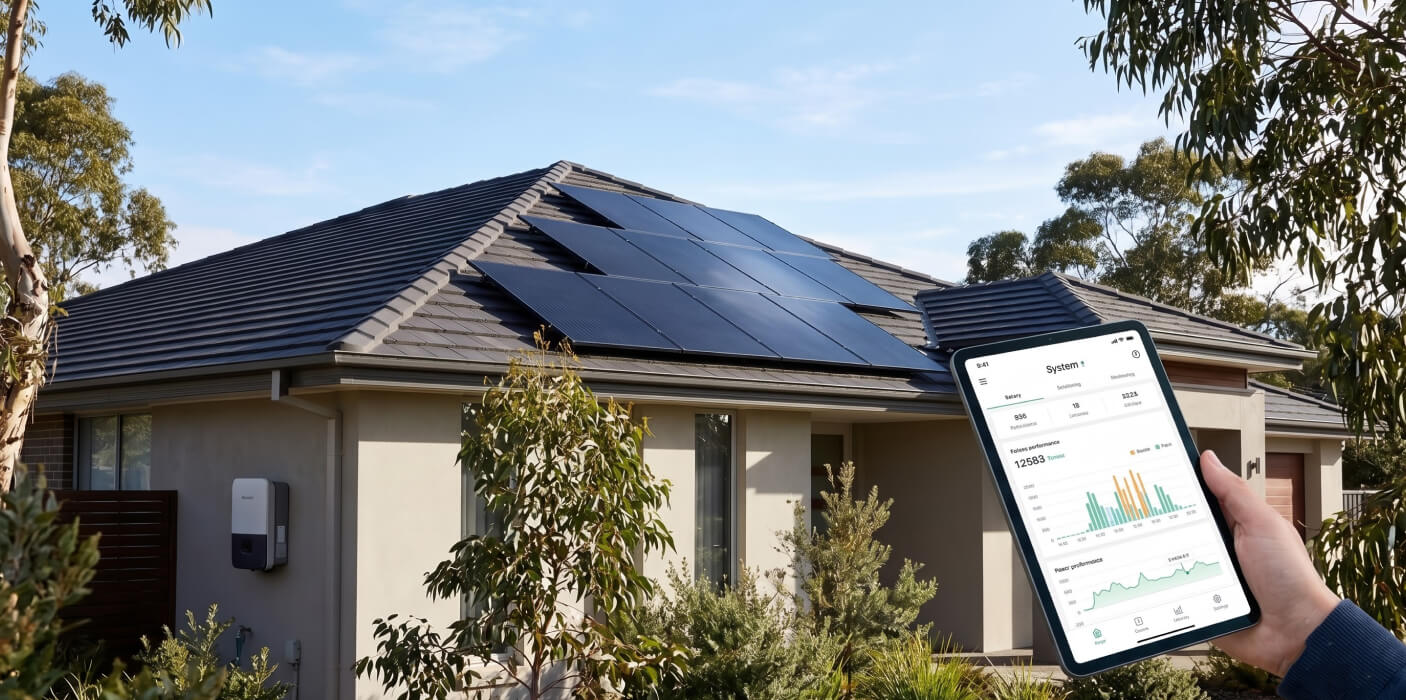
Homeowners save the most when they use the electricity their solar system generates, rather than exporting it to the grid.
With feed-in tariffs continuing to fall across Australia, self-consuming solar energy often provides much greater value than exporting it. Government guidance also recommends maximizing self-consumption to improve solar savings.
Your neighbour may simply be using their washing machine, dishwasher, or EV charger during the day while solar production is highest.
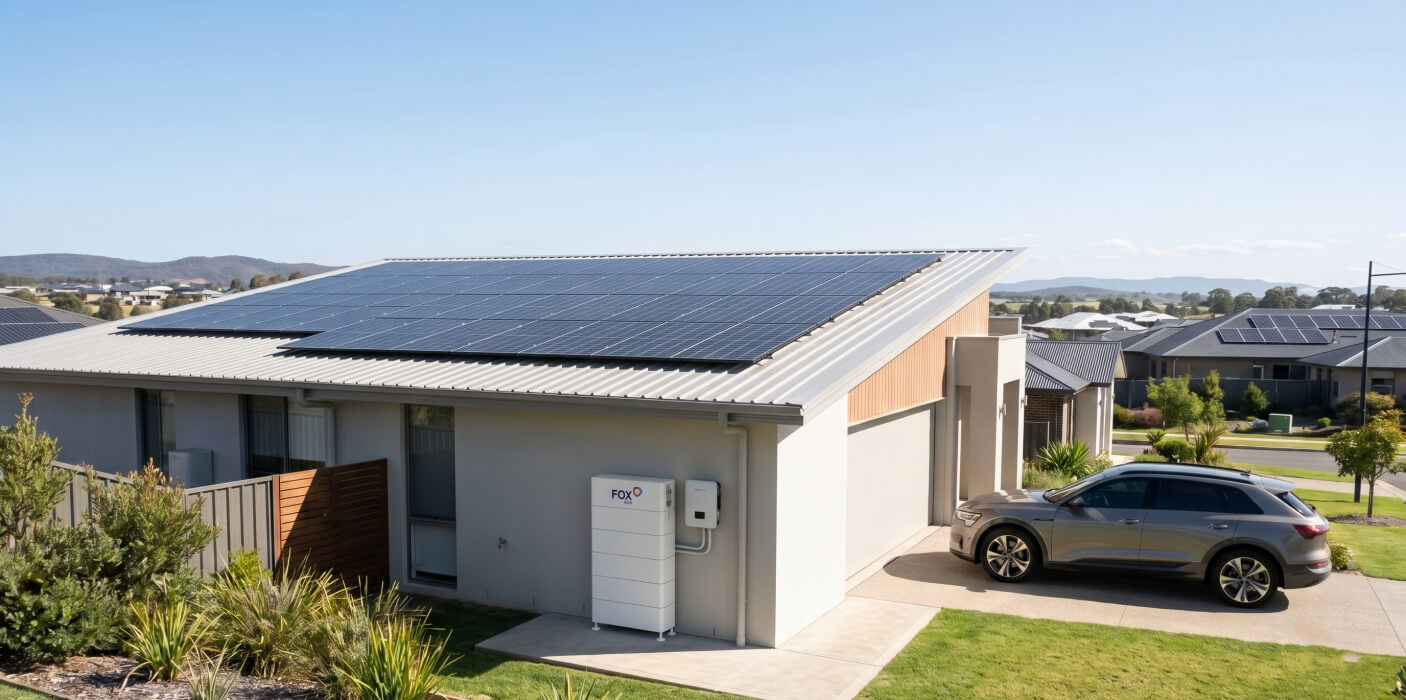
A growing number of Australian households are adding battery storage to capture excess solar energy generated during the day.
Instead of buying expensive electricity after sunset, they use stored solar power.
Recent ACCC findings show households with solar, and batteries typically recorded annual electricity bills around 20% to 52% lower than grid-only customers. Those participating in Virtual Power Plants often achieved even greater savings.
Many Australians stay with the same electricity retailer for years.
Meanwhile, retailers regularly introduce:
Choosing the right electricity plan can make a noticeable difference, especially for homes with solar or battery systems.
Electricity generally costs more during peak demand periods.
Your neighbour may:
Reducing peak-hour grid usage can lower electricity bills over time.
Not every solar system is designed the same.
Factors such as:
all influence how much value a system delivers.
A properly designed system aligned with household consumption generally performs better than simply installing the largest number of panels.
Australia continues to support home battery adoption through government initiatives.
The Cheaper Home Batteries Program, expanded in 2026, provides eligible households with an upfront discount of around 30% on qualifying battery systems connected to new or existing solar installations.
This has made battery storage more accessible for homeowners looking to reduce long-term electricity costs.
Many homeowners rarely look beyond the total amount due on their electricity bill.
Your neighbour may regularly track:
Understanding where electricity is being used helps identify opportunities to reduce unnecessary consumption.
Many homeowners still believe exporting more solar automatically means larger savings.
Feed-in tariffs have declined considerably over recent years as more solar energy enters the grid during daylight hours. Today, using your own solar energy is often worth far more than exporting it.
A quality solar installation doesn't just improve performance; it also supports long-term reliability and safety.
Professional system design, premium components, and proper installation help homeowners maximize energy production while reducing the likelihood of future issues.
Lower electricity bills aren't usually the result of a single upgrade.
They're often achieved through a combination of:
These improvements continue delivering value year after year.
Australia's energy market continues to evolve rapidly, making it more important than ever to review how your home uses electricity.
Current trends include:
Energy Tip: Your biggest electricity savings often come from using your solar energy, not simply generating it.
At Solar Secure, we help Australian homeowners make smarter energy decisions not just install solar.
Whether you're considering a new solar system, upgrading an existing installation, adding battery storage, or exploring ways to improve your home's energy efficiency, our experienced team provides tailored solutions designed around your household's energy needs and long-term savings goals.

If your neighbour's electricity bill is lower, it's probably not because they're using less electricity, it's because they're using it more wisely.
With the right combination of solar, battery storage, an appropriate electricity plan, and smarter energy habits, Australian homeowners can significantly reduce reliance on expensive grid power and improve long-term savings.
Instead of asking why your neighbour pays less, ask whether your current energy setup is working as hard as it could.
Reach Out to SunSelect at 1300 867 353 for Expert Guidance and Money-Saving Options. Explore the Reviews from Our Delighted Customers on ProductReview.com.au.
Make the smart move to energy independence with our solar batteries
Ask Our Battery Expert

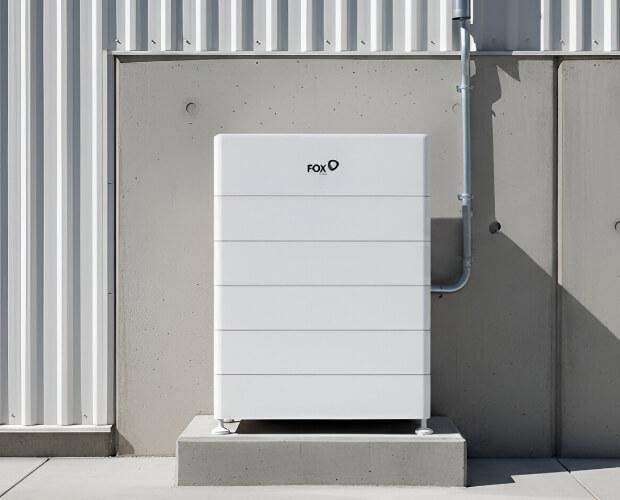
Store your excess solar energy, cut peak rates, and protect your home from outages.
Get a free quote tailored to your location
100% Free Quote. No Obligation.
We respect your privacy.

Enter your postcode to see available offers in your area.



NSW Home Energy Saver Loan Program
Available from 17 June 2026