This guide explains what to expect when integrating a solar battery with an existing solar system, including compatibility, costs, performance, and long-term benefits.
Why Add a Solar Battery to an Existing Solar System?
Many solar panel owners initially install systems without battery storage to reduce upfront costs. However, without a battery, excess solar energy generated during the day is exported back to the grid for relatively low feed-in tariffs. Adding a solar battery allows you to store that energy and use it later, especially during peak pricing periods or at night.
Is Your Existing Solar System Battery Ready?
Before installing a solar battery, it’s important to assess whether your current solar system is compatible. The main factor is your inverter type.
1. Hybrid Inverter Systems
If your system already uses a hybrid inverter, adding a solar battery is usually straightforward. Hybrid inverters are designed to manage both solar panels and battery storage.
2. String Inverter Systems
If your system uses a standard string inverter, you may need an additional battery inverter or upgrade to a hybrid system. This is common in older solar installations.
3. Solar System Size
Your solar system must generate enough excess energy to charge the battery effectively. If your system is small, upgrading your solar capacity may improve battery performance.
How the Installation Process Works
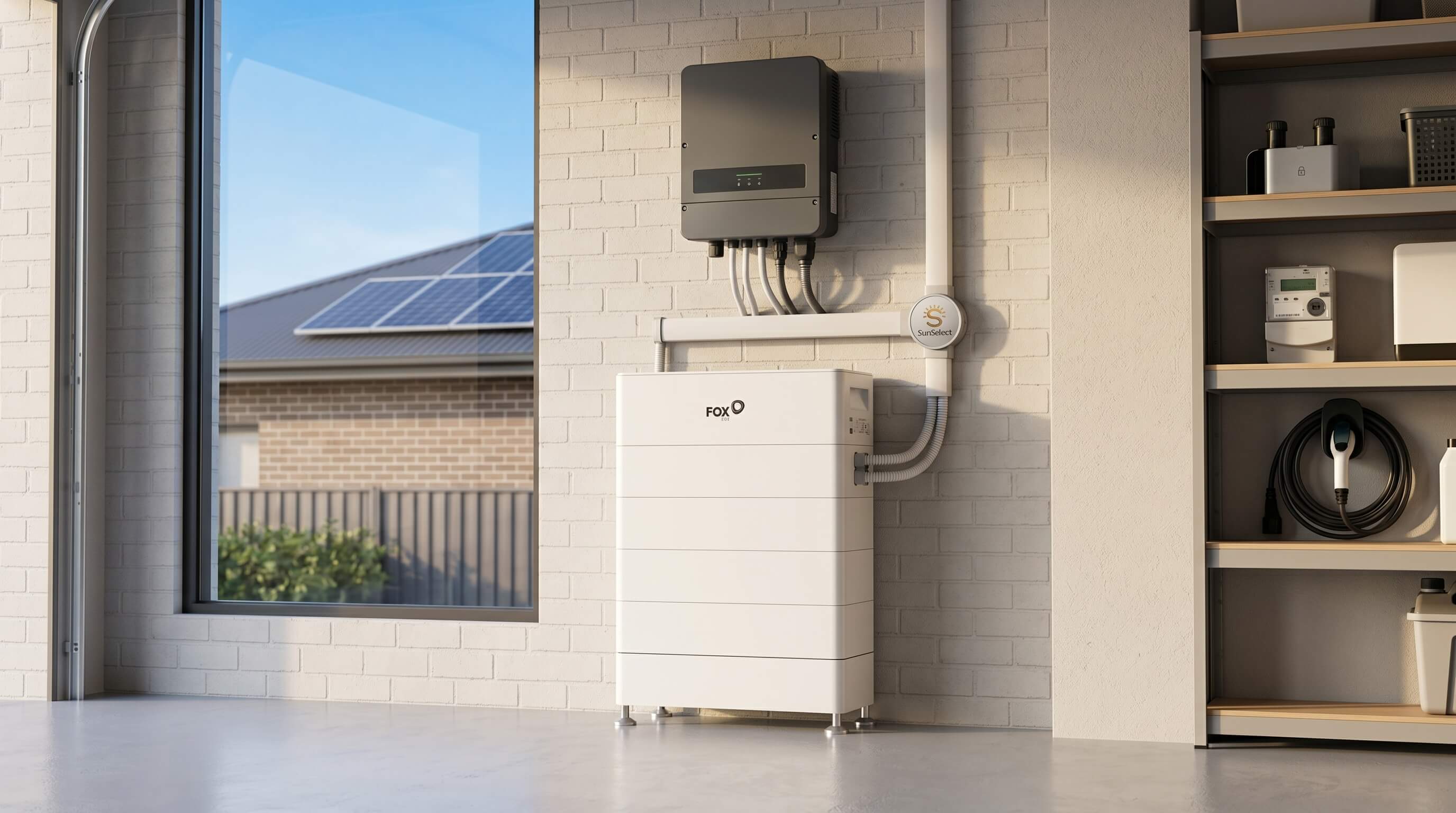
Adding a solar battery to an existing system is generally quicker than installing a full solar system. The process usually includes:
- System inspection and compatibility check
- Battery sizing based on your energy usage
- Installation of battery and inverter (if required)
- Configuration of smart energy management system
- Testing and commissioning
Choosing the Right Solar Battery
Popular solar battery sizes for Australian homes range between 5 kWh and 15 kWh, depending on household usage.
Cost and Long-Term Savings
While adding a solar battery requires an upfront investment, long-term savings can be substantial. By storing and using your own solar energy instead of buying from the grid, households can reduce electricity costs significantly over time.
Savings depend on:
- Energy consumption patterns
- Electricity tariffs
- Battery size and efficiency
- Government incentives and rebates (where applicable)
Backup Power and Energy Security
One of the biggest reasons homeowners add a solar battery is for blackout protection. With the right system configuration, your battery can automatically power essential circuits during grid outages, keeping lights, refrigeration, and communication devices running.
This is particularly valuable in regions experiencing grid instability or extreme weather conditions.
Is Adding a Solar Battery Worth It?
For many Australian households, the answer is yes. A solar battery enhances solar system performance, improves energy independence, and provides long-term cost benefits.

Final Thought
Adding a solar battery to your existing solar system is a powerful way to boost performance and value. It stores
surplus solar energy for later use, helps lower electricity expenses, and gives you greater control over
household power. As energy prices climb and demand for independence grows, battery storage is becoming a smart,
future-ready upgrade for modern Australian homes.
Tip
Learn how adding a solar battery to your existing solar system improves savings and backup power today.
Reach Out to SunSelect at 1300 867 353 for Expert Guidance and Money-Saving Options. Explore the Reviews from Our Delighted Customers on ProductReview.com.au.


 Share
Share


.webp)